Not all snoring is sleep apnea, but all sleep apnea involves snoring. Learn how to tell harmless snoring from dangerous obstruction—and when to seek help.
Introduction: The Nighttime Noise That Could Be Killing You
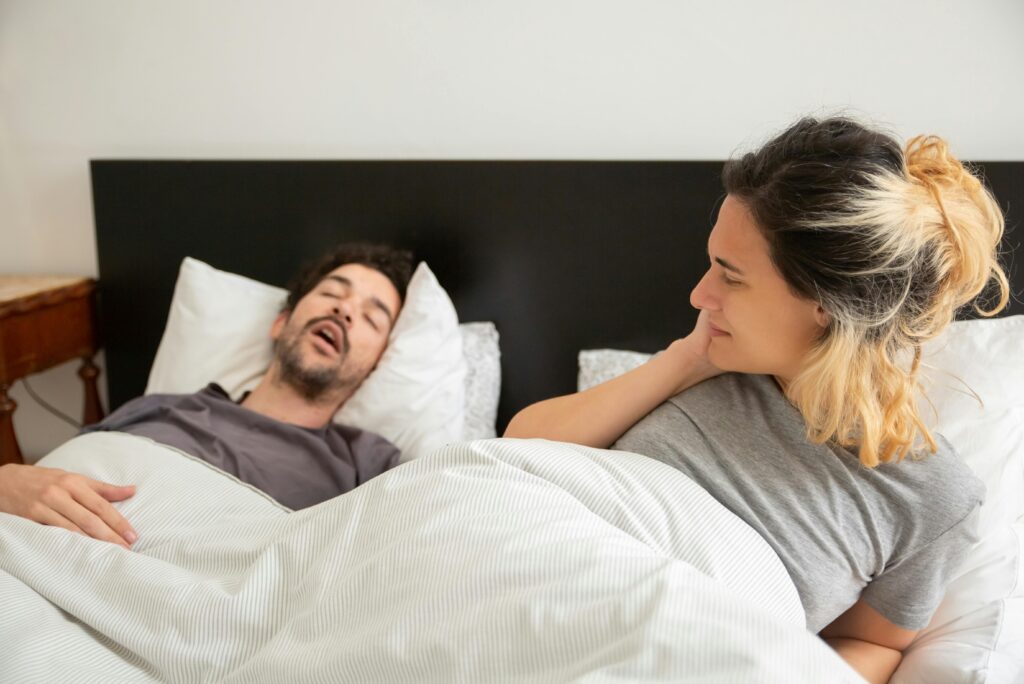
Your partner’s thunderous snoring shakes the bedroom walls. You joke about earplugs, but that chainsaw-like sound may be more than just an annoyance—it could be the warning sign of obstructive sleep apnea (OSA), a condition that triples your risk of heart attack and stroke.
This comprehensive guide reveals:
✔ The key differences between normal snoring and apnea snoring
✔ How to recognize “dangerous snoring” patterns
✔ At-home tests to assess your risk
✔ When loud snoring becomes a medical emergency
Critical Stat: 90% of people with sleep apnea snore—but only 7% of snorers have full-blown apnea (Journal of Clinical Sleep Medicine).
Chapter 1: The Anatomy of a Snore – What’s Really Happening
Normal Snoring Explained
- Cause: Relaxed throat tissues vibrate during breathing
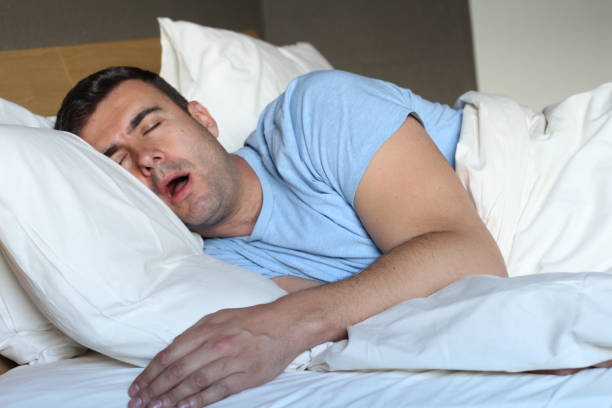
- Sound: Consistent, rhythmic “whistle” or “rumble”
- Health Impact: Mostly social (annoying but harmless)
Apnea Snoring Revealed
- Cause: Complete airway collapse blocking oxygen
- Sound Pattern:
- Silent pauses (10+ seconds)
- Gasping/choking as breathing restarts
- Irregular volume (soft → extremely loud)
- Health Impact: Oxygen drops to dangerous levels
Microphone Study: Apnea-related snoring reaches 80 decibels—equivalent to a garbage disposal (Sleep Research Society).
Chapter 2: The 5 Red Flags That Separate Harmless Snoring From Dangerous Apnea
| Feature | Normal Snoring | Sleep Apnea Snoring |
|---|---|---|
| Breathing Pauses | Never | 5-100+ times/hour |
| Gasping Sounds | No | Yes (like drowning) |
| Snoring Position | Only on back | All positions |
| Daytime Fatigue | Mild | Severe (falling asleep at work) |
| Morning Headaches | Rare | Frequent |
Partner Tip: Record snoring with apps like SnoreLab to detect suspicious patterns.
Chapter 3: The Vicious Cycle – How Snoring Worsens Apnea
- Tissue Trauma: Vibrations damage throat lining → swelling → narrower airway
- Muscle Memory: Repeated collapse weakens throat muscle tone
- Oxygen Debt: Frequent drops train the brain to tolerate hypoxia
Shocking Finding: Chronic snorers develop nerve damage in throat muscles, making apnea more likely over time (European Respiratory Journal).
Chapter 4: At-Home Assessment – Is It Just Snoring or Something Worse?
The STOP-BANG Questionnaire
- Snore loudly? (Heard through doors)
- Tired daily?
- Observed breathing pauses?
- Pressure (high blood)?
- BMI >35?
- Age >50?
- Neck size >17″ (men) or >16″ (women)?
- Gender (male)?
Score 3+? Get a sleep study—your apnea risk is 80% higher.

Chapter 5: When Snoring Becomes an Emergency
Seek Immediate Help If:
- Witnessed breathing pauses >30 seconds
- Blue lips/fingernails during sleep
- Extreme daytime drowsiness with memory lapses
ER Protocol: Severe untreated apnea causes carbon dioxide buildup requiring ICU intervention.
Chapter 6: Solutions – From Simple Fixes to Medical Interventions
For Mild Snoring
- Side sleeping (tennis ball trick)
- Nasal strips/dilators
- Allergy management
For Apnea-Linked Snoring
| Treatment | How It Helps |
|---|---|
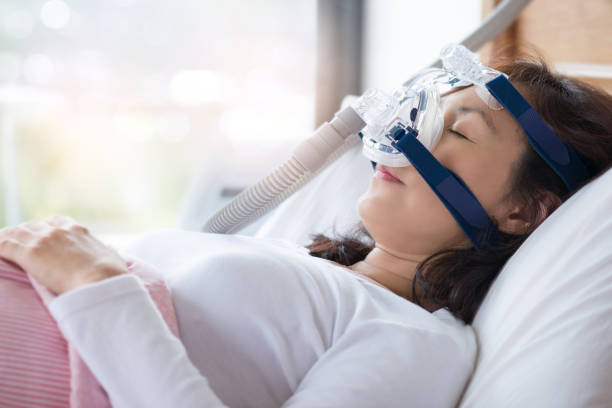
| CPAP | Prevents airway collapse |
| Mandibular Device | Holds jaw forward |
| Surgery | Removes excess tissue |
Success Story: “After CPAP, my snoring stopped—and my AHI dropped from 42 to 2.” — Michael, 54
Final Warning: Don’t Ignore the Roar
That “harmless” snoring could be your body’s SOS signal. Left untreated, sleep apnea leads to:
❌ 500% higher stroke risk
❌ Memory loss mimicking dementia
❌ Erectile dysfunction from oxygen deprivation
Next Steps:
- Record your snoring tonight
- Take the STOP-BANG quiz
- See a sleep specialist if concerned
Sources:
- American Academy of Sleep Medicine
- Journal of Clinical Sleep Medicine
- European Respiratory Society
CTA: “Download our free Snoring vs. Apnea Checklist to assess your risk tonight.”