Learn how to spot stress in teenagers, understand its causes, and discover effective ways to help them cope. Support your teen’s mental health with expert-backed strategies.
Introduction: The Hidden Crisis of Teen Stress
Teenagers today face unprecedented pressures—academic demands, social media comparisons, and an uncertain future. 1 in 3 teens reports experiencing extreme stress, yet many parents and educators miss the warning signs until it’s too late.
This guide will help you:
✔ Recognize the physical, emotional, and behavioral signs of stress
✔ Understand the root causes (beyond “just hormones”)
✔ Learn science-backed strategies to support your teen
✔ Know when professional help is needed

Why Are Today’s Teens So Stressed?
Top 5 Modern Stressors
- Academic Pressure
- 61% of teens say schoolwork is their biggest stressor
- College admissions competition has intensified
- Social Media & Digital Life
- Constant comparison to curated online personas
- Fear of missing out (FOMO) keeps teens “always on”
- World Events & Uncertainty
- Climate anxiety affects 75% of young people
- Economic instability creates future worries
- Social & Romantic Relationships
- Navigating friendships and dating in a digital age
- Bullying (online and offline) remains prevalent
- Family Dynamics
- Divorce, financial stress, or high parental expectations
- Sibling rivalry or caregiving responsibilities
Did You Know? Chronic teen stress rewires the developing brain, increasing lifelong risks for anxiety and depression.
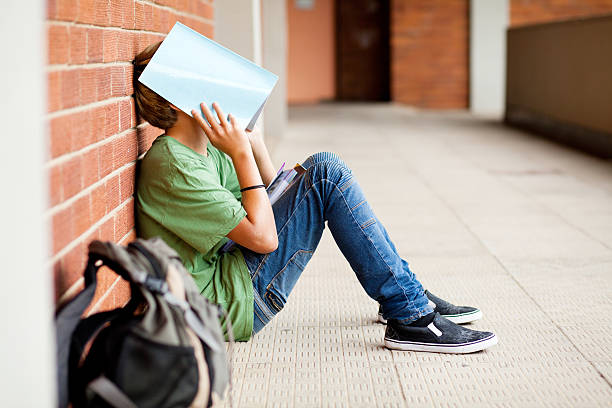
Warning Signs: How to Tell If Your Teen Is Stressed
Physical Symptoms
- Frequent headaches or stomachaches
- Changes in sleep (too much or too little)
- Sudden weight loss/gain or eating disorders
- Unexplained aches and pains
Emotional Changes
- Irritability or mood swings (beyond typical teen behavior)
- Excessive crying or emotional outbursts
- Feelings of hopelessness or worthlessness
- Increased anxiety or panic attacks
Behavioral Red Flags
- Withdrawing from friends and family
- Declining grades or skipping school
- Risky behaviors (substance use, reckless driving)
- Obsessive habits (over-exercising, extreme dieting)
Key Insight: Teens often express stress differently than adults—anger or withdrawal may mask deeper anxiety.

How to Help: Science-Backed Strategies
1. Open Communication (Without Pressure)
- Do: Ask open-ended questions (“How’s everything really going?”)
- Don’t: Dismiss concerns (“You’ll get over it”)
2. Establish Healthy Routines
- Sleep: Encourage 8-10 hours nightly (no phones in bed)
- Nutrition: Balanced meals with omega-3s (linked to lower anxiety)
- Exercise: Even 20 minutes daily reduces cortisol by 15%
3. Teach Stress-Management Tools
- Mindfulness & Breathing Exercises (Try apps like Headspace for Teens)
- Journaling to process emotions
- Time Management Skills to avoid last-minute cramming
4. Create a Low-Stress Home Environment
- Model healthy coping mechanisms
- Limit overscheduling—teens need downtime too
- Designate tech-free zones (e.g., dinner table)
When to Seek Professional Help
Seek a therapist if your teen shows:
✔ Signs of depression (lasting >2 weeks)
✔ Self-harm behaviors (cutting, burning)
✔ Talk of suicide (even casually)
✔ Sudden personality changes
Treatment Options:
- Cognitive Behavioral Therapy (CBT) – Gold standard for teen anxiety
- Group Therapy – Helps reduce feelings of isolation
- Medication (if needed) – SSRIs can be safe and effective
Parent Tip: Many schools offer free counseling—ask about resources.
What NOT to Do: Common Well-Meaning Mistakes
❌ Comparing to your own teen years (“When I was your age…”)
❌ Over-scheduling to ‘distract’ them (Adds more pressure)
❌ Forcing conversation (Teens open up on their timeline)
❌ Ignoring the problem (“It’s just a phase”)
Real Teen Stories
Jasmine, 16: “I was having panic attacks before tests. My mom finally listened and got me a therapist. Now I use breathing techniques and my grades improved.”
Dr. Reynolds, Adolescent Psychologist: “The teens who recover best have parents who validate their feelings rather than minimize them.”
FAQs About Teen Stress
Q: How much stress is normal?
A: Some stress motivates (e.g., studying for a test). Concern arises when it’s constant or causes physical/emotional harm.
Q: Do boys and girls show stress differently?
A: Often yes—girls may internalize (anxiety, sadness), while boys may externalize (anger, aggression).
Q: Can social media cause stress?
A: Yes. Teens spending 3+ hours daily on social media are 35% more likely to show anxiety symptoms.
Final Thoughts: You Can Make a Difference
Teen stress isn’t “just part of growing up”—it’s a serious health issue with lifelong consequences. By staying alert to warning signs and offering support (not just solutions), you help build resilience that lasts into adulthood.
Next Steps:
- Have one stress-free activity together this week (hike, movie, baking)
- Download a mental health app (recommendations: Calm Harm, MindShift)
- Schedule a check-up if physical symptoms persist
“The teen brain is like a car with a powerful engine and weak brakes. They need us to help them navigate the road.” — Dr. Lisa Damour, Clinical Psychologist
Sources:
- American Psychological Association (APA)
- Journal of Adolescent Health
- National Institute of Mental Health (NIMH)
CTA: *”Worried about your teen’s stress levels? Take our 3-minute quiz to assess their anxiety risk and get personalized tips.”*