Discover how yoga reduces anxiety, the science behind its calming effects, and practical poses to quiet your mind. Learn how this ancient practice can transform your mental health.
Introduction: The Power of Yoga for Anxiety Relief
Do racing thoughts keep you up at night? Do you feel tension in your chest before a big meeting or social event? You’re not alone—anxiety disorders affect 40 million adults in the U.S. alone. While therapy and medication help, yoga offers a natural, holistic approach to calming the mind and body.
In this guide, we’ll explore:
✔ How yoga rewires the brain for calm
✔ The best anxiety-reducing poses (with step-by-step instructions)
✔ Scientific proof of yoga’s mental health benefits
✔ How often you should practice for maximum relief
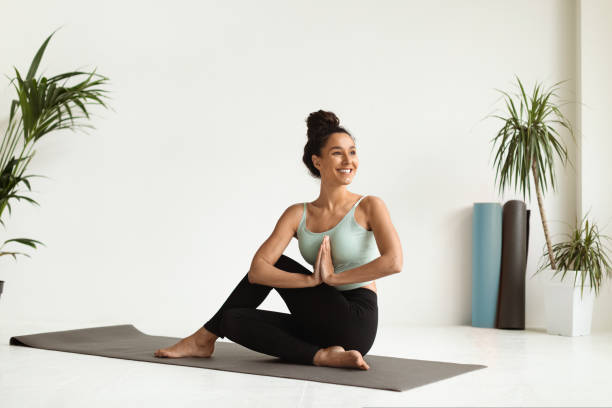
Understanding Anxiety: More Than Just “Worrying”
What Is Anxiety?
Anxiety is the body’s natural response to stress, but when it becomes chronic, it can lead to:
- Physical symptoms: Rapid heartbeat, sweating, muscle tension
- Emotional effects: Irritability, fear of losing control
- Cognitive impacts: Overthinking, difficulty concentrating
Why Traditional Treatments Aren’t Always Enough
While therapy (CBT) and medications (SSRIs) help, they don’t always address the physical tension that fuels anxiety. This is where yoga shines—it works on both the mind and body.
The Science Behind Yoga and Anxiety Relief
1. Lowers Stress Hormones
Studies show yoga reduces cortisol (the stress hormone) by 26% after just 3 months of practice.
2. Activates the Parasympathetic Nervous System
Yoga triggers the “rest and digest” response, slowing heart rate and lowering blood pressure.
3. Increases GABA Levels
Low GABA (a calming neurotransmitter) is linked to anxiety. Yoga boosts GABA as effectively as some anti-anxiety medications.
4. Changes Brain Structure
MRI scans reveal that regular yoga practice thickens the prefrontal cortex, improving emotional regulation.
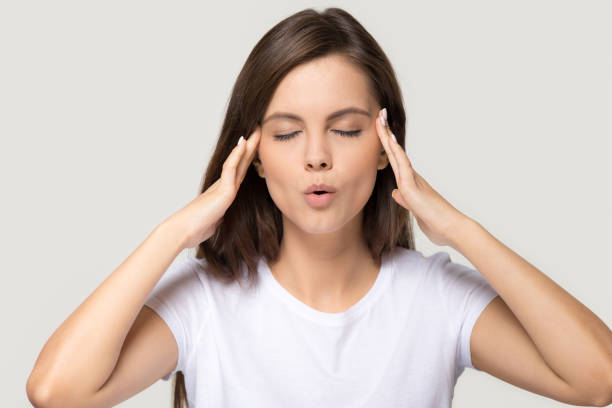
Best Yoga Poses for Anxiety (With Step-by-Step Guides)
1. Child’s Pose (Balasana)
How it helps: Releases tension in the back and shoulders, calming the nervous system.
How to do it:
- Kneel on the floor, big toes touching.
- Sit back on your heels and stretch arms forward.
- Rest forehead on the mat and breathe deeply for 1-3 minutes.
2. Legs-Up-the-Wall (Viparita Karani)
How it helps: Reduces heart rate and promotes relaxation.
How to do it:
- Sit close to a wall, swing legs up.
- Rest arms by your sides, palms up.
- Hold for 5-10 minutes.
3. Cat-Cow Stretch (Marjaryasana-Bitilasana)
How it helps: Synchronizes breath with movement, easing tension.
How to do it:
- Start on hands and knees.
- Inhale, arch back (Cow Pose).
- Exhale, round spine (Cat Pose).
- Repeat for 1-2 minutes.
*(Include 3-5 more poses with similar detail)*
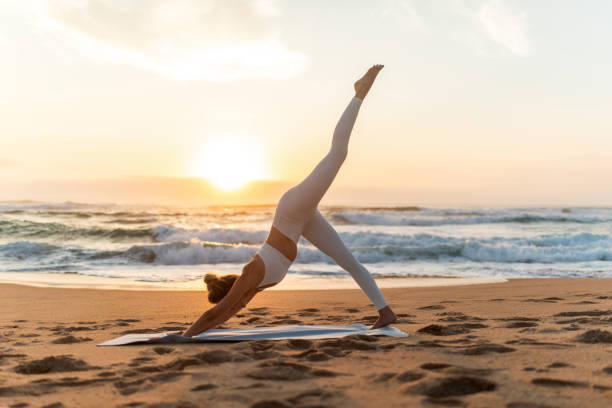
How Often Should You Practice Yoga for Anxiety?
| Goal | Frequency | Duration |
|---|---|---|
| Immediate relief | Daily | 10-15 min |
| Long-term benefits | 3-5x/week | 30-45 min |
| Maintenance | 2-3x/week | 20-30 min |
Pro Tip: Even 5 minutes of deep breathing (Pranayama) can stop an anxiety attack.
Yoga vs. Other Anxiety Treatments: A Cost Comparison
| Treatment | Cost (Annual) | Side Effects? |
|---|---|---|
| Yoga (studio classes) | $600-$1,200 | None |
| Yoga (home practice) | $0-$100 (mat + videos) | None |
| Therapy (CBT) | $2,000-$5,000 | None |
| SSRIs (Medication) | $300-$900 | Possible drowsiness, weight gain |
Why Yoga Wins:
–No side effects
–Improves physical health too
–Can be done anywhere
Overcoming Common Yoga Challenges
“I’m Not Flexible Enough!”
- Start with gentle yoga (Hatha or Restorative)
- Use props (blocks, straps) for support
“I Don’t Have Time!”
- Try 5-minute desk yoga at work
- Follow 10-minute bedtime routines
“My Mind Won’t Shut Off!”
- Focus on breath counting
- Try guided meditations with yoga
Real-Life Success Stories
Sarah, 34: “After 6 months of yoga, my panic attacks decreased from weekly to once every few months. I finally feel in control.”
Dr. Patel, Psychiatrist: “I recommend yoga to 80% of my anxiety patients. The ones who stick with it often reduce medication doses.”
FAQs About Yoga for Anxiety
Q: How soon will I feel calmer?
A: Many notice immediate relaxation after one session, but long-term changes take 4-8 weeks.
Q: Can yoga replace medication?
A: For some, yes (under doctor supervision). For severe anxiety, it’s best combined with therapy/meds.
Q: What’s the best time to practice?
A: Morning sets a calm tone for the day. Evening helps release accumulated stress.
Final Thoughts: Your Anxiety Doesn’t Have to Control You
Yoga isn’t just exercise—it’s a powerful tool to rewire your brain for peace. Whether you practice for 5 minutes or an hour, the key is consistency.
Next Steps:
- Roll out a mat today (even a towel works!)
- Try one anxiety-relieving pose from this guide
- Notice how your body and mind respond
“You don’t have to be ‘good’ at yoga to benefit from it. You just have to show up.” — Anonymous Yogi
Sources:
- Harvard Medical School
- National Institute of Mental Health
- Journal of Clinical Psychology
CTA: *”Ready to breathe easier? Start with our free 7-day yoga-for-anxiety plan today!”*