Learn to identify sleep apnea symptoms in yourself or a partner. Discover warning signs, risk factors, and when to seek medical help for this dangerous sleep disorder.
Introduction: The Silent Nighttime Danger You Might Be Missing
Imagine your breathing stopping 30 times per hour while you sleep – without you even realizing it. This is the reality for 25 million Americans with undiagnosed sleep apnea, a condition that increases heart attack risk by 300% and contributes to 38,000 cardiovascular deaths annually.
This comprehensive guide will help you:
✔ Recognize subtle and obvious sleep apnea symptoms
✔ Understand key differences between snoring and apnea
✔ Identify risk factors that make you more vulnerable
✔ Know when to seek professional diagnosis
The Most Common Signs of Sleep Apnea
Nighttime Symptoms (What Your Partner Might Notice)
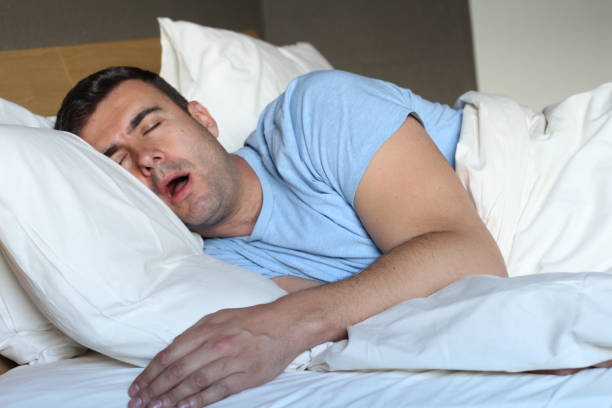
- Loud, chronic snoring (present in 90% of cases)
- Breathing pauses lasting 10+ seconds
- Gasping or choking sounds as breathing restarts
- Frequent awakenings (though you may not remember)
- Restless tossing and turning
Daytime Symptoms (What You Might Experience)
- Morning headaches
- Excessive daytime sleepiness
- Waking with dry mouth/sore throat
- Difficulty concentrating (“brain fog”)
- Mood changes like irritability or depression
Key Stat: People with severe sleep apnea may stop breathing 60-100 times per hour without realizing it.
Sleep Apnea vs. Normal Snoring: How to Tell the Difference
| Characteristic | Normal Snoring | Sleep Apnea |
|---|---|---|
| Sound Pattern | Consistent | Interrupted by silences |
| Breathing | Continuous | Pauses (10+ sec) |
| Daytime Effects | Minimal | Significant fatigue |
| Health Risks | Low | High (heart disease, stroke) |
Pro Tip: Record yourself sleeping using apps like SnoreLab to detect suspicious patterns.
Lesser-Known Warning Signs Many Miss
1. Nocturia (Frequent Nighttime Urination)
- Waking 2+ times to urinate may indicate oxygen drops triggering kidney stress
2. Teeth Grinding (Bruxism)
- The body’s attempt to reopen airways can cause jaw clenching
3. Night Sweats
- 57% of apnea patients report drenching sweats from breathing struggles
4. Reflux (GERD)
- Pressure changes in chest may force stomach acid upward
Who’s Most at Risk? Key Risk Factors
Physical Risk Factors
- Neck circumference >17″ (men) or >16″ (women)
- BMI over 30 (though thin people can have apnea too)
- Large tonsils or recessed jaw
Health Conditions
- High blood pressure (present in 50% of apnea cases)
- Type 2 diabetes (shared in 48% of cases)
- Heart disease or atrial fibrillation
Lifestyle Factors
- Alcohol use (relaxes throat muscles further)
- Smoking (triples risk)
- Sedative medications
Did You Know? Postmenopausal women’s risk equals men’s due to hormonal changes.
The Dangerous Consequences of Untreated Sleep Apnea
| Health Risk | Increased Likelihood |
|---|---|
| High Blood Pressure | 2-3x higher risk |
| Heart Attack | 3x higher risk |
| Stroke | 4x higher risk |
| Type 2 Diabetes | 2x more likely to develop |
| Depression | 2.5x increased risk |
Scary Fact: Severe apnea sufferers are 6x more likely to die in their sleep.
When to See a Doctor: Red Flags
Seek medical evaluation if you experience:
✔ Loud snoring + daytime fatigue
✔ Witnessed breathing pauses
✔ Waking gasping for air
✔ Unexplained high blood pressure
✔ Falling asleep at inappropriate times
Diagnostic Process:
- Home sleep test (simple device you use overnight)
- In-lab polysomnography (gold standard test)
- ENT evaluation (checks for physical obstructions)
What to Expect: Sleep Apnea Diagnosis & Treatment
Diagnosis
- Mild apnea: 5-14 events/hour
- Moderate apnea: 15-29 events/hour
- Severe apnea: 30+ events/hour
Treatment Options
| Treatment | Effectiveness | Cost (Annual) |
|---|---|---|
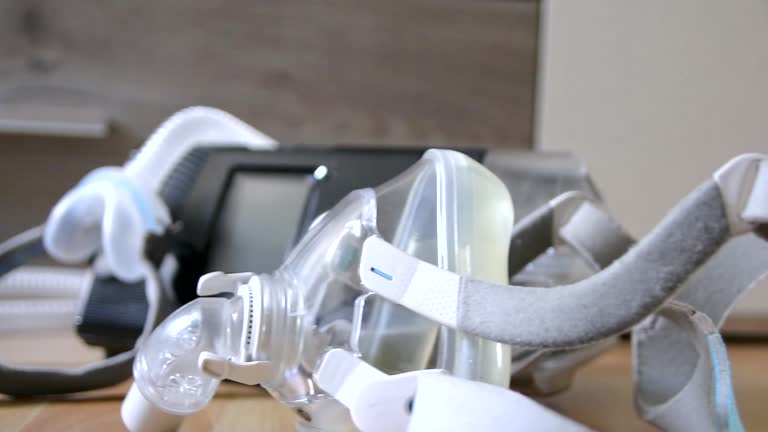
| CPAP | 90% success | $600-$1,500 |
| Oral Appliance | 60-70% success | $1,800-$3,000 |
| Surgery | 40-60% success | $10,000-$50,000 |
Success Tip: CPAP users who stick with treatment lower heart attack risk by 42%.
Real Patient Stories: Life Before Diagnosis
Mark, 52: “I blamed my exhaustion on aging until my wife recorded me stopping breathing 47 times in one hour. CPAP changed everything.”
Dr. Lee, Sleep Specialist: “Most patients say ‘I had no idea’ when we show them their test results. The brain normalizes oxygen drops so you don’t wake up.”
FAQs About Sleep Apnea Signs
Q: Can kids have sleep apnea?
A: Yes! 10% of children may have it, often showing as bedwetting, ADHD-like symptoms, or slow growth.
Q: Do all snorers have apnea?
A: No, but 90% of apnea patients snore. The key difference is breathing pauses + daytime symptoms.
Q: Can weight loss cure sleep apnea?
A: For some – losing 10-15% of body weight can reduce severity by 30-50%, but many still need treatment.
Take Action: Next Steps If You Suspect Apnea
- Take the STOP-BANG Questionnaire (free online assessment)
- Ask your partner about your sleep habits
- Try a sleep tracking app for 1 week
- Schedule a consultation with a sleep specialist
Final Thought: “Not everyone who snores has apnea, but everyone with apnea is at risk. Getting tested could add years to your life.” — American Sleep Association
Sources:
- American Academy of Sleep Medicine
- Journal of Clinical Sleep Medicine
- National Heart, Lung, and Blood Institute
CTA: *”Concerned about your sleep? Take our 2-minute sleep apnea risk assessment now and share results with your doctor.”*