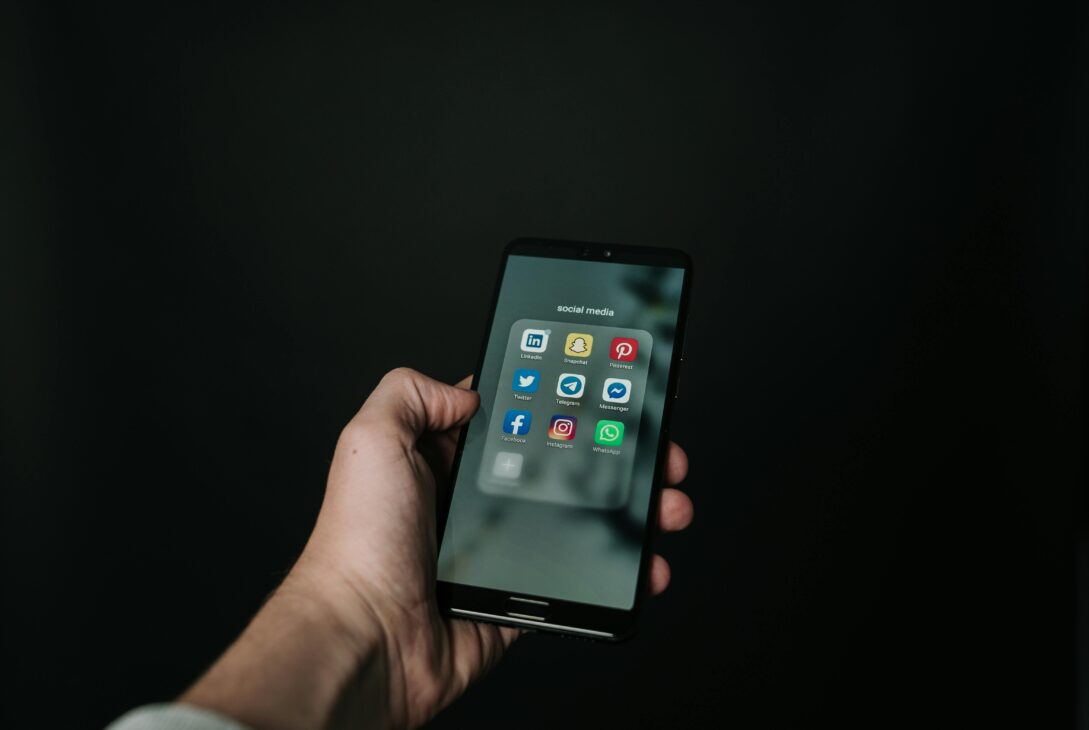
Discover how social media rewires the anxious brain, which platforms cause the most stress, and evidence-based strategies to protect your mental health.
Introduction: The Anxious Scroll – Why Social Media Feels Like a Drug
You know that jittery feeling after hours of Instagram scrolling? It’s not just in your head—neuroscience shows social media activates the same neural pathways as gambling, with anxiety as the inevitable crash. While 72% of users report social media improves their connections, 64% say it directly increases their anxiety.
This comprehensive guide reveals:
✔ How different platforms uniquely trigger anxiety
✔ The 3 neurological mechanisms behind “digital anxiety”
✔ Why you feel FOMO even when you’re not missing anything
✔ Proven strategies to reset your brain’s relationship with social media
Shocking Stat: Teens who spend 5+ hours daily on social media are 70% more likely to develop anxiety disorders (CDC, 2024).

The Anxiety Algorithm: How Platforms Hack Your Brain
Platform-Specific Anxiety Triggers
| Platform | Primary Anxiety Mechanism | Worst Feature |
|---|---|---|
| Social comparison (body image, lifestyle) | “Perfect life” influencer posts | |
| TikTok | Information overload + rapid context switching | Infinite scroll |
| “Life milestone” envy (weddings, babies) | Memory reminders | |
| Twitter/X | Outrage amplification | Viral anger threads |
| Career inadequacy stress | “Humblebrag” achievement posts |
Neuroscience Insight: Each “like” triggers a dopamine microburst (similar to slot machines), creating an addictive anxiety cycle.
3 Ways Social Media Rewires the Anxious Brain
1. The Comparison Trap
- Brain Scan Finding: Viewing others’ vacation photos activates the same pain pathways as physical injury
- Cognitive Distortion: Users consistently overestimate others’ happiness by 38%
2. Hyper-Vigilance Conditioning
- Notification anticipation keeps the amygdala in constant low-grade alert
- “Phantom vibration syndrome” affects 89% of heavy users
3. Sleep Disruption Cascade
- Blue light suppresses melatonin up to 3 hours longer than TV
- Bedtime social media use quadruples nighttime awakenings
Clinical Correlation: Patients with social media-induced anxiety show smaller hippocampal volumes (memory center) over time.

Who’s Most Vulnerable? Risk Factors for Digital Anxiety
Personality Types Prone to Social Media Anxiety
- The Perfectionist: Measures self-worth through metrics (likes, followers)
- The Empath: Absorbs others’ emotional content too deeply
- The FOMO Sufferer: Panics about missing nonexistent events
- The Doomscroller: Gets stuck in negative news cycles
Age-Specific Effects
| Age Group | Primary Anxiety Trigger |
|---|---|
| Teens (13-19) | Body image comparisons |
| Young Adults (20-35) | Career/success envy |
| Middle-Aged (36-55) | “Perfect family” pressure |
| Seniors (55+) | Social isolation paradox |
Evidence-Based Solutions to Reduce Digital Anxiety
The 30-30-30 Rule
- 30 mins max per platform daily
- 30-minute buffer before bed
- 30-second pause before posting (reduces regret anxiety)
App-Specific Interventions
- Instagram: Mute “comparison trigger” accounts
- TikTok: Use “watch limit” feature
- Twitter: Create private lists to avoid outrage algorithms
Neurological Reset Techniques
- “Junk Food” Journaling: Write quick reactions after scrolling to discharge anxiety
- Sensory Grounding: Hold an ice cube after intense sessions to reset amygdala
- Selective Nostalgia: Only revisit old posts that spark genuine joy
Therapy Note: CBT for social media anxiety now includes “algorithm exposure therapy” to reduce platform-specific triggers.
When Does Social Media Help Anxiety? The Surprising Exceptions
Positive Use Cases
- Support Groups: 62% of anxiety sufferers report online communities help
- Creative Outlets: Art/music sharing activates reward centers
- Meme Therapy: Humor processing lowers cortisol by 27%
Key Insight: Active use (commenting, creating) reduces anxiety, while passive scrolling increases it.
FAQs About Social Media and Anxiety
Q: Does deleting apps actually help?
A: Studies show 2-week breaks reduce anxiety by 45%, but long-term quitters need replacement social nutrients.
Q: Are some people immune to social media anxiety?
A: About 15% have “digital resilience”—often tied to secure offline identities.
Q: Why does social media feel addictive if it makes us anxious?
A: The brain conflates activation (from alerts) with fulfillment, creating a stress-addiction cycle.
The Future of Digital Mental Health
- Anxiety-Rating Algorithms: Platforms testing automatic content warnings
- Biofeedback Apps: Smartwatches that detect scrolling-induced stress spikes
- “Slow Social” Movement: Platforms designed for mindful connection
Final Thought: “Social media isn’t the problem—it’s how we’ve let commercial platforms design our social brains without consent.” — Dr. Anna Lembke, Stanford Addiction Expert
Sources:
- Journal of Medical Internet Research
- American Psychological Association (APA) Digital Guidelines
- Pew Research Center Social Media Studies
CTA: *”Take our 2-minute Social Media Anxiety Assessment to identify your specific triggers and get personalized coping strategies.”*