Discover everything about CPAP therapy for sleep apnea – how it works, benefits, costs, troubleshooting tips, and expert advice to improve your sleep quality.
Introduction: Reclaiming Your Sleep and Health
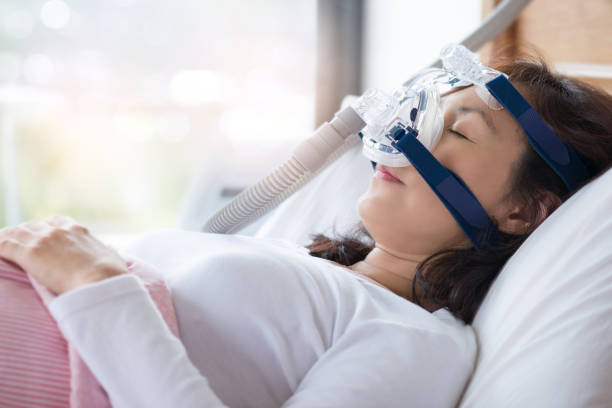
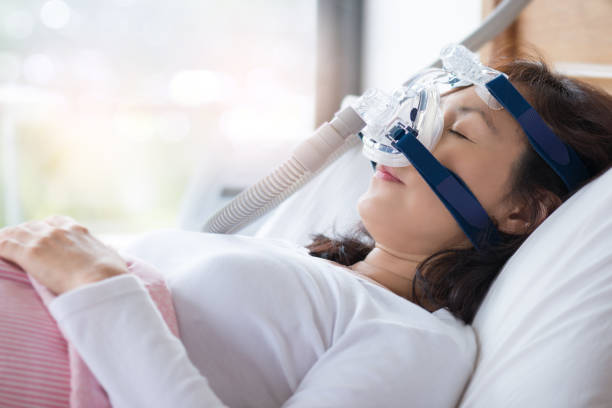
Imagine waking up every morning feeling truly rested, without the grogginess or headaches that have plagued you for years. For millions suffering from sleep apnea, this dream becomes reality through CPAP (Continuous Positive Airway Pressure) therapy. As the gold standard treatment for obstructive sleep apnea, CPAP therapy has transformed lives since its introduction in the 1980s.
In this comprehensive guide, we’ll explore:
- The science behind CPAP technology
- Detailed cost breakdowns (comparing to other treatments)
- Step-by-step how the therapy works
- Advanced troubleshooting for common issues
- Real patient success stories
Understanding Sleep Apnea: More Than Just Snoring
What Exactly Is Sleep Apnea?
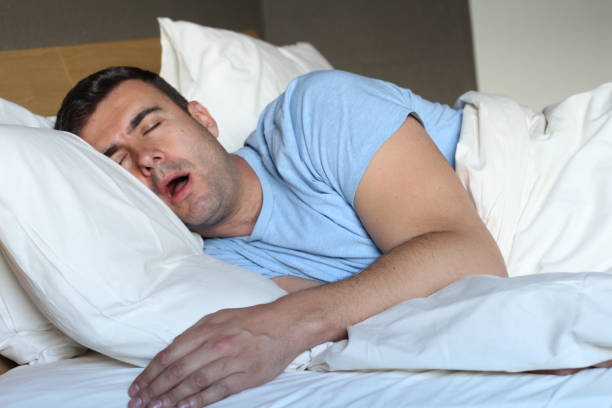
Sleep apnea is a serious disorder where breathing repeatedly stops and starts during sleep. The most common form, obstructive sleep apnea (OSA), occurs when throat muscles relax excessively, blocking the airway. Central sleep apnea, affecting about 20% of patients, involves the brain failing to send proper breathing signals.
Key Statistics:
- Affects 25 million Americans (many undiagnosed)
- Increases stroke risk by 300%
- Contributes to 38,000 cardiovascular deaths annually
Symptoms You Should Never Ignore
While loud snoring is the most recognizable symptom, other warning signs include:
- Gasping/choking sensations at night
- Excessive daytime sleepiness
- Morning headaches
- Difficulty concentrating
- Mood changes and irritability
The Science of CPAP: How Air Pressure Saves Lives
Breaking Down CPAP Components
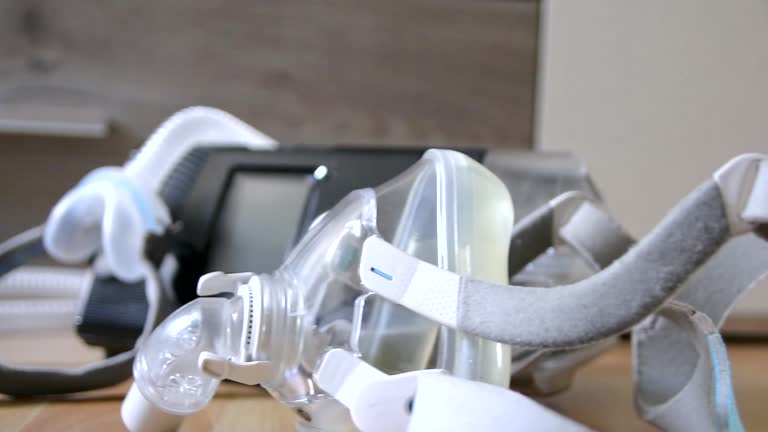
A modern CPAP system consists of three main parts:
- The Motor Unit
- Weighs 2-5 pounds (about the size of a tissue box)
- Generates 4-20 cm H2O of pressure
- Includes advanced filtration systems
- The Humidification System
- Prevents airway dryness
- Heated options maintain optimal moisture
- The Mask Interface
- Nasal pillows (least intrusive)
- Nasal masks (most common)
- Full-face masks (for mouth breathers)
The Physics Behind the Therapy
CPAP works by creating positive airway pressure – essentially acting as a pneumatic splint for your throat. This pressure:
- Prevents tissue collapse during inhalation
- Maintains oxygen saturation above 90%
- Reduces apnea events from 30+/hour to <5/hour
CPAP Costs: Investment in Your Health
Price Breakdown (2025 Figures)
| Component | Price Range | Insurance Coverage |
|---|---|---|
| Basic CPAP Machine | $300-$800 | Typically 80% covered |
| Auto-Adjusting (APAP) | $500-$1,200 | Often requires prior auth |
| Masks | $100-$300 | Usually replaced annually |
| Filters/Hoses | $50-$150/year | Varies by plan |
Pro Tip: Many insurers require a 30-90 day compliance period before full coverage kicks in.
Comparing Treatment Costs
- CPAP therapy: $600-$1,500 first year
- Oral appliances: $1,800-$3,000
- Surgery: $10,000-$50,000
- Untreated apnea: $20,000+ in annual healthcare costs
The Life-Changing Benefits of CPAP Therapy
Health Improvements
Clinical studies show CPAP users experience:
- 42% reduction in cardiovascular events
- 31% lower diabetes risk
- 45% decrease in depression symptoms
Quality of Life Enhancements
- 78% report better concentration
- 85% experience reduced daytime sleepiness
- 67% of partners report better sleep (no more snoring!)
Overcoming Common CPAP Challenges
The Mask Fit Conundrum
Problem: 40% of users struggle with mask discomfort
Solutions:
- Try multiple styles during the 30-day trial period
- Use mask liners ($15-$30) to prevent skin irritation
- Adjust straps for a secure but not tight fit
Dryness and Congestion
Problem: 35% report nasal dryness
Solutions:
- Enable heated humidification
- Use saline sprays before bedtime
- Consider a room humidifier
The Noise Factor
Modern CPAP machines operate at <30 decibels (quieter than a whisper). If yours is loud:
- Check for air leaks
- Replace filters regularly
- Place on a soft surface
Advanced Tips for CPAP Success
Optimizing Your Setup
- Position Matters: Elevate your head slightly to reduce pressure needs
- Clean Smart: Use mild soap and warm water for daily cleaning
- Travel Ready: Get a portable battery pack for camping/air travel
Tech Integrations
- Bluetooth-enabled machines sync with apps like MyAir
- Smart alarms detect when you’re in light sleep
- Auto-adjusting models respond to your breathing patterns
CPAP Alternatives: When to Consider Other Options
While CPAP is the first-line treatment, alternatives include:
- Oral Appliances (for mild cases)
- Positional Therapy (if apnea is position-dependent)
- Surgical Options (like Inspire implant)
Important: Never stop CPAP without consulting your sleep specialist.
Real Patient Transformations
Michael’s Story: “After 10 years of exhaustion and near-miss car accidents, CPAP gave me my life back. My AHI dropped from 58 to 2, and I finally feel awake.”
Dr. Chen’s Insight: “In my 15 years as a pulmonologist, I’ve seen CPAP reverse hypertension, improve relationships, and literally save marriages.”
Frequently Asked Questions
Q: How long until I feel better?
A: Most notice improvements in 3-7 days, but full benefits take 3-6 months of consistent use.
Q: Can I use CPAP for naps?
A: Absolutely! Any sleep benefits from CPAP use.
Q: What if I can’t tolerate the pressure?
A: Ramp features slowly increase pressure as you fall asleep. Your provider can adjust settings.
Taking the Next Steps
- Get Diagnosed: Schedule a sleep study if you suspect apnea
- Work With Specialists: Find a board-certified sleep physician
- Commit to Treatment: The first month is hardest, but pays lifelong dividends
Final Thought: CPAP isn’t just a machine – it’s a passport to better health, sharper thinking, and more energy. With modern technology making treatment more comfortable than ever, there’s never been a better time to take control of your sleep apnea.
Sources:
- American Academy of Sleep Medicine
- Journal of Clinical Sleep Medicine
- National Sleep Foundation
CTA: “Ready to experience the CPAP difference? Find a sleep specialist near you today and take the first step toward restful nights and energetic days.”