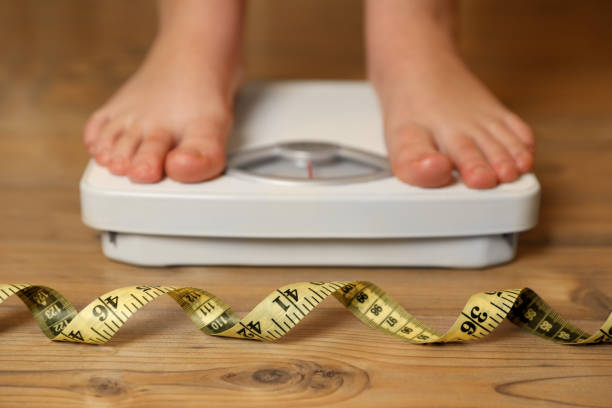
Discover how weight loss affects sleep apnea, how much you need to lose for results, and why some patients still need CPAP even after shedding pounds.
Introduction: The Weight-Apnea Connection
For millions struggling with sleep apnea, one question looms large: “If I lose weight, will my apnea disappear?” The answer is hopeful but nuanced. While weight loss significantly improves obstructive sleep apnea (OSA) for many, it’s not a universal cure.
This comprehensive guide examines:
✔ Exactly how weight affects breathing during sleep
✔ How much weight loss makes a meaningful difference
✔ When CPAP is still necessary (even after weight loss)
✔ The most effective weight-loss strategies for apnea patients
Key Stat: 70% of sleep apnea patients are overweight, but 30% have normal BMI—proving apnea isn’t just a “heavy person’s disease.”
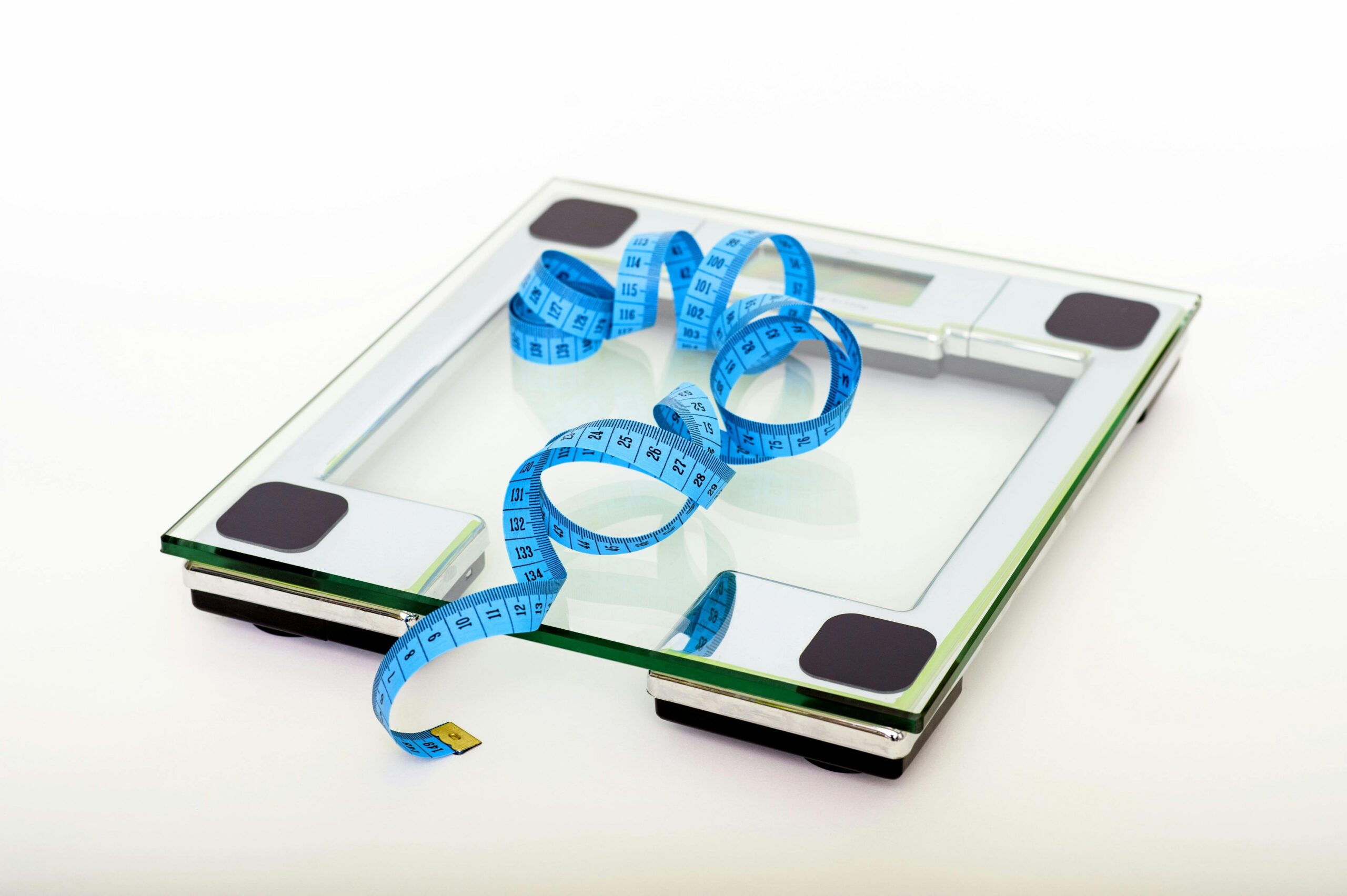
The Science: How Weight Loss Helps Sleep Apnea
3 Ways Shedding Pounds Improves Breathing
- Reduces Neck Fat
- Every 1cm decrease in neck circumference lowers AHI (apnea events) by 30%
- Target: <17″ (men) or <16″ (women)
- Decreases Tongue Size
- Fat deposits in the tongue shrink, reducing airway obstruction
- Improves Lung Capacity
- Abdominal fat loss allows the diaphragm to move more freely
Clinical Finding: A 10% body weight loss typically reduces AHI by 26% (Annals of Internal Medicine)
How Much Weight Loss is Needed? Evidence-Based Targets
| Starting BMI | Recommended Loss | Expected AHI Improvement |
|---|---|---|
| 30-35 | 5-10% body weight | 20-30% reduction |
| 35-40 | 10-15% body weight | 30-50% reduction |
| 40+ | 15-20% body weight | 50-70% reduction |
Important Note: Even modest weight loss (5-7%) can eliminate the need for CPAP in mild apnea cases.
When Weight Loss Doesn’t Cure Apnea
4 Factors That Persist After Weight Loss
- Structural Issues
- Deviated septum, recessed jaw, or enlarged tonsils
- Muscle Tone Changes
- Throat muscles may remain overly relaxed
- Central Sleep Apnea Component
- Brain signaling problems unaffected by weight
- “Remodeled” Airway
- Years of apnea can cause permanent tissue changes
Expert Insight: *”I’ve had patients lose 100+ pounds who still need CPAP. Others drop 30 pounds and their apnea resolves completely.”* — Dr. Samuel Becker, Sleep Specialist
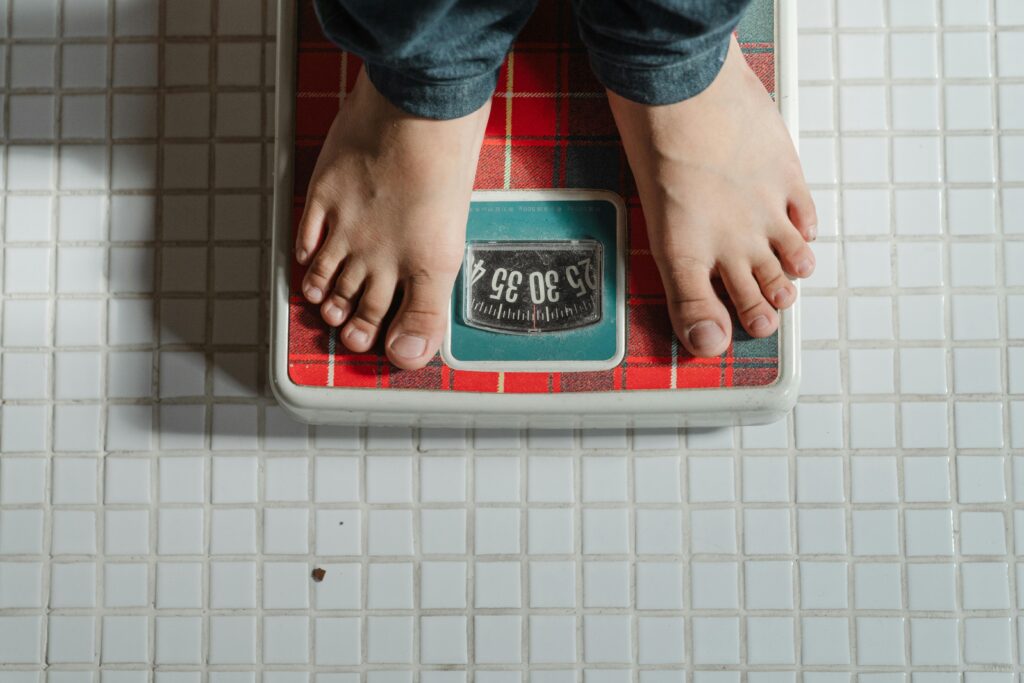
Most Effective Weight Loss Methods for Apnea Patients
1. CPAP-Assisted Weight Loss
- Proper sleep boosts leptin (satiety hormone) by 27%
- Patients using CPAP lose 2-3x more weight than untreated peers
2. Medical Interventions
| Option | Apnea Impact |
|---|---|
| Gastric Sleeve | 60% see AHI reduction |
| GLP-1 Medications | Emerging evidence shows benefit |
| Bariatric Surgery | 85% improvement in severe cases |
3. Lifestyle Approaches
- Daytime Exercise: Strengthens respiratory muscles
- Anti-Inflammatory Diet: Reduces airway swelling
- Alcohol Reduction: Prevents throat muscle relaxation
Success Story: “After losing 40lbs through CPAP and walking, my AHI dropped from 32 to 8. I still use my machine, but only half the time.” — Mark, 54
The CPAP Conundrum: When to Keep Using It
3 Scenarios Where CPAP Stays Essential
- Residual AHI >15 after weight loss
- Oxygen dips below 90% during sleep studies
- Persistent daytime sleepiness despite improvement
Pro Tip: Re-test 3-6 months after major weight loss to reassess needs.
FAQs About Weight Loss and Apnea
Q: Can targeted neck exercises help?
A: Limited evidence. While tongue/mouth exercises show some benefit (myofunctional therapy), spot-reducing neck fat isn’t possible.
Q: Does building muscle help?
A: Yes! Increased lean mass improves respiratory strength and metabolic health.
Q: Why do some thin people have apnea?
A: Up to 30% of cases involve non-weight factors like jaw structure or neurological issues.
A Balanced Approach: Weight Loss + Treatment
- Start CPAP immediately to protect your heart and brain
- Pursue sustainable weight loss (1-2lbs/week)
- Re-evaluate after 10% weight loss with a sleep study
Final Thought: “Weight loss can dramatically improve apnea, but don’t view it as all-or-nothing. Every pound lost makes breathing easier.” — Sleep Medicine Reviews
Sources:
- American Academy of Sleep Medicine
- Journal of Clinical Sleep Medicine
- Obesity Society Guidelines
CTA: *”Take our 2-minute Sleep Apnea Weight Loss Assessment to get personalized strategies based on your BMI and symptoms.”*